What are plankton? Do they live in Lake Champlain?
This Lake Log entry was contributed by summer 2024 Education and Outreach Steward Vivienne Shields.
We are excited to announce that plankton demonstrations have returned to the Resource Room! Observing plankton under the microscope has sparked many insightful and scientific questions, so we would like to address some of the frequent questions we have received.
What are plankton?
The foundation of both freshwater and marine food webs consists of microscopic plant-like organisms, algae and animals, known collectively as plankton. These diverse organisms cannot swim against currents, so they drift or float through the water. The term “plankton” is derived from the Greek word “planktos,” which means “wandering,” reflecting how these tiny organisms move with the currents.
How do you collect plankton?
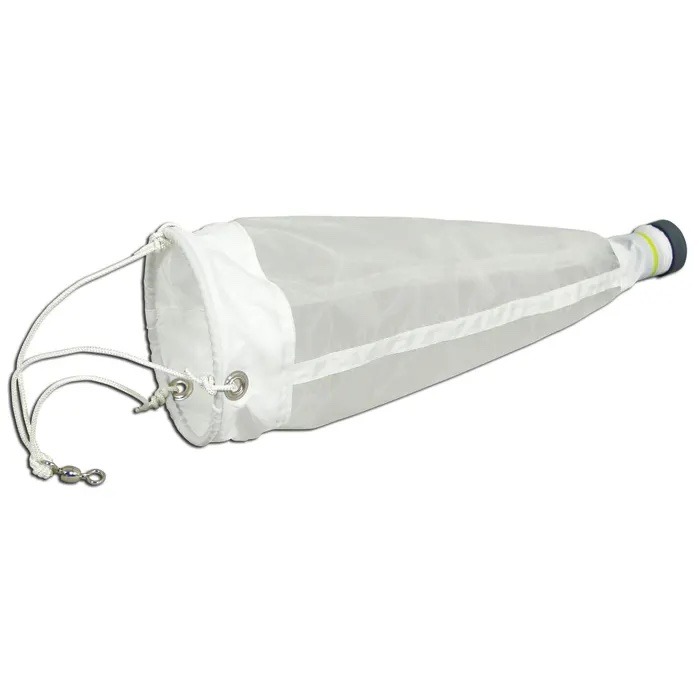
We collect plankton using a plankton net. Plankton nets are made of fine mesh that allows water to pass through, but the holes of the mesh are small enough to trap plankton. The mesh openings are measured in microns (one micron equals one millionth of a meter). The smaller the openings, the smaller the plankton in your sample will be. Everything filtered through the net collects in a small container at the bottom. There are several ways to collect a plankton sample; many scientists will tow their plankton nets behind boats to capture a wide variety of phytoplankton and zooplankton. To collect our samples for the Resource Room, a staff member lowers the plankton net into the water vertically until the small container has been submerged. We then pull the net horizontally at a steady pace, back and forth a couple of times, before pulling it back up. At that point, the plankton sample is ready to be viewed under a microscope!

Are there plankton in Lake Champlain?
While plankton are often associated with the ocean—sometimes even evoking images of whales that feed on types of plankton—they are not limited to saltwater environments. In fact, plankton are also found in freshwater habitats such as lakes, streams, and ponds. They play an equally crucial role in these freshwater ecosystems, contributing significantly to the food web and maintaining ecological balance just as they do in saltwater environments.
What are phytoplankton and zooplankton?
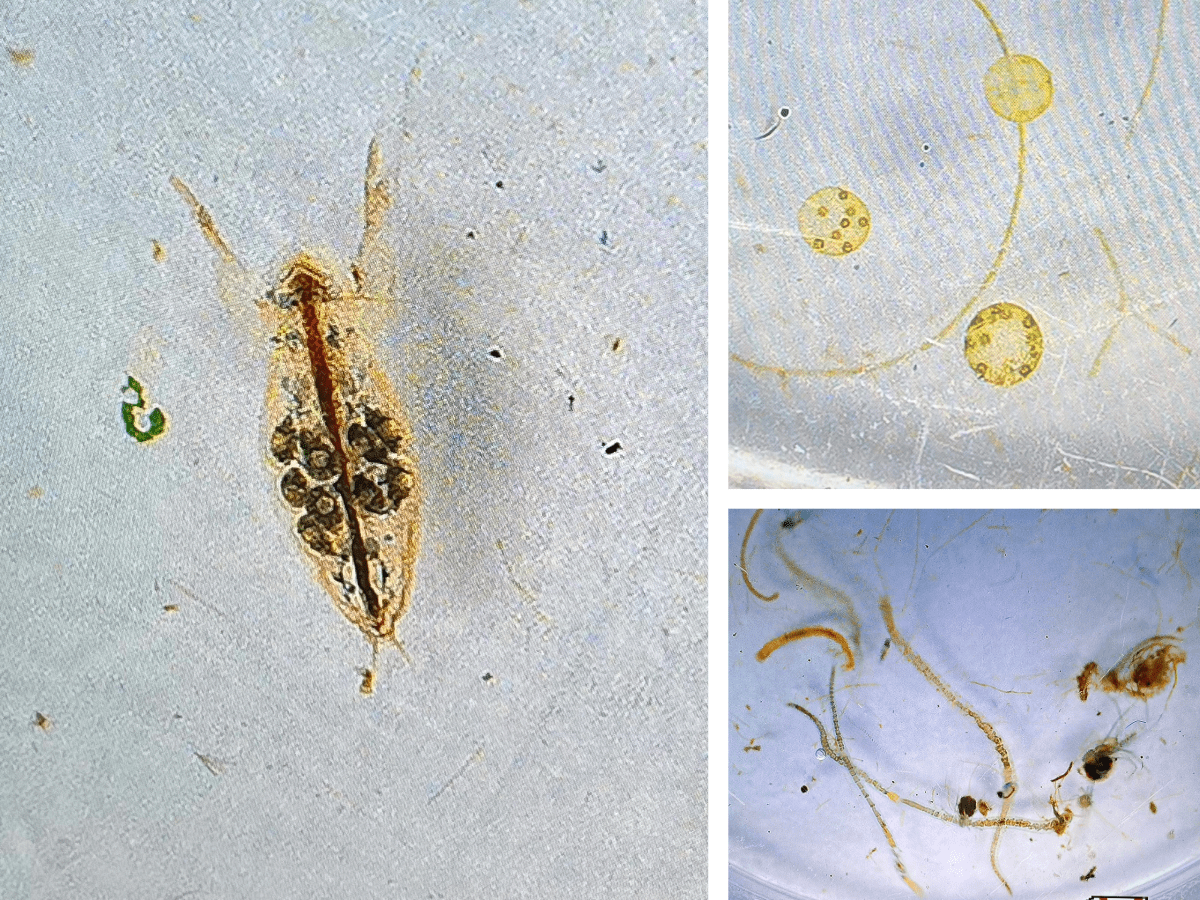
There are two main types of plankton: phytoplankton and zooplankton. The word phytoplankton is derived from “phytos,” meaning plants. Phytoplankton are photosynthetic, meaning they can convert water and light energy from the sun into oxygen and chemical energy, such as ATP (a molecule that stores energy in cells). Phytoplankton are the reason we have oxygen on Earth! The word Zooplankton is derived from “zoo,” meaning animals. Zooplankton are small single-celled organisms. They are heterotrophic creatures, feeding on primary producers like phytoplankton, other zooplankton, or water column detritus.
Where do plankton live?
To photosynthesize, phytoplankton populate the surface of bodies of water where light penetrates, known as the photic zone. During the daylight hours, zooplankton usually drift through deeper water columns to avoid predators. At night, the zooplankton move up in the water columns to feed on phytoplankton, using the darkness to their advantage.
Why are plankton important?
Plankton and algae make up the base of aquatic food webs. Phytoplankton are primary producers, meaning they photosynthesize and can produce their own food from sunlight, carbon dioxide, and water. Phytoplankton are consumed by zooplankton, which are the primary consumers in Lake Champlain. Secondary consumers in Lake Champlain include smaller fish and crustaceans such as bluegill, alewife, rainbow smelt, and crayfish. The top predators in the food web of Lake Champlain include lake trout, walleye, pike, bass, birds, and humans. The entire ecosystem of Lake Champlain depends on phytoplankton and zooplankton!
Plankton are essential indicators of water quality, climate change, nutrient pollution, ecosystem health and more. Phytoplankton are the primary bioindicators of pollution in aquatic ecosystems because they are sensitive to environmental changes related to habitat, nutrients, pH, salinity, temperature, and other factors. Under certain environmental conditions, some species of phytoplankton can grow rapidly and form blooms. In Lake Champlain, we frequently experience these phytoplankton blooms, especially with cyanobacteria (blue-green algae), during the summer when nutrients are abundant in shallow, warm and still waters.
Are plankton impacted by invasive species?
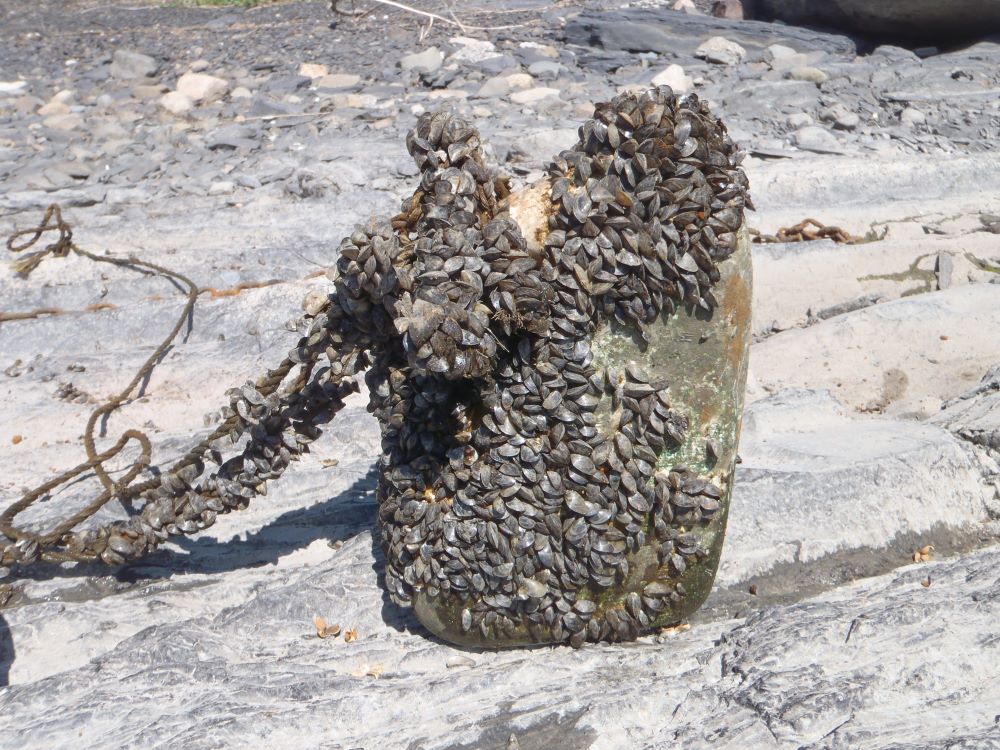
Plankton are impacted by invasive species; aquatic invasive organisms can interfere with food webs through direct predation and/or outcompeting native species for resources. A decrease in rotifer populations has been observed for several years due to aquatic invasive species. Rotifers are a phylum (taxonomic category that ranks above class and below kingdom) of zooplankton, occasionally found in Lake Champlain. Documented declines in rotifer populations coincide with the introduction of zebra mussels. Zebra mussels are small, highly reproductive, triangular freshwater mussels, named after their striped yellowish-brown shells. They use sticky byssal threads to firmly attach to objects. Due to their ability to reproduce rapidly, zebra mussels often form dense colonies and can even coat lake bottoms. Zebra mussels are an ongoing threat to plankton species. As filter feeders, they can reduce certain plankton populations by consuming large quantities and further altering the food web.
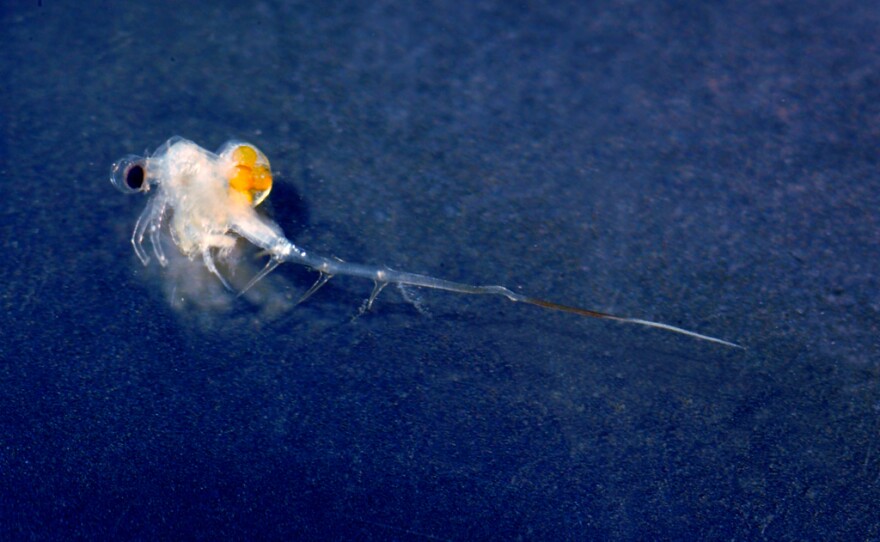
There are also several invasive species of zooplankton and phytoplankton. Invasive zooplankton, such as the spiny water flea, can outcompete other plankton species, disrupting the food web. The spiny water flea is a predatory crustacean that reproduces rapidly. It is identified by its rounded outer shell and long tail spine. Its main food source is other zooplankton, leading to a significant decline in native zooplankton populations. Most fish are unable to consume spiny water fleas due to the shape and length of their spine. As spiny water flea populations increase, there is less food available for fish to eat.