The Great Fall Movement: Birds on the Move in the Champlain Valley
Every fall, the Champlain Valley sky fills with movement. Ducks, geese, raptors, and songbirds travel through on their migration south, tracing ancient routes along the Atlantic Flyway. Their journeys connect the Champlain Valley to tundra’s, wetlands, and coasts thousands of miles away, revealing just how connected the Lake Champlain Basin is to the wider web of life.
Migration is a round-the-clock journey, but timing is everything. As daylight decreases and temperatures drop, birds sense these environmental cues, along with internal changes in hormones and fat stores, that tell them it’s time to move. Many songbirds travel at night, using the stars, the moon, and even the Earth’s magnetic field to navigate. Waterfowl and raptors often migrate by day, riding warm air currents across valleys and ridgelines. Guided by instinct, memory, and the natural rhythms of the seasons, entire populations take flight; tracing paths their species have followed for thousands of years.
Why the Champlain Valley is a Magnet for Migration
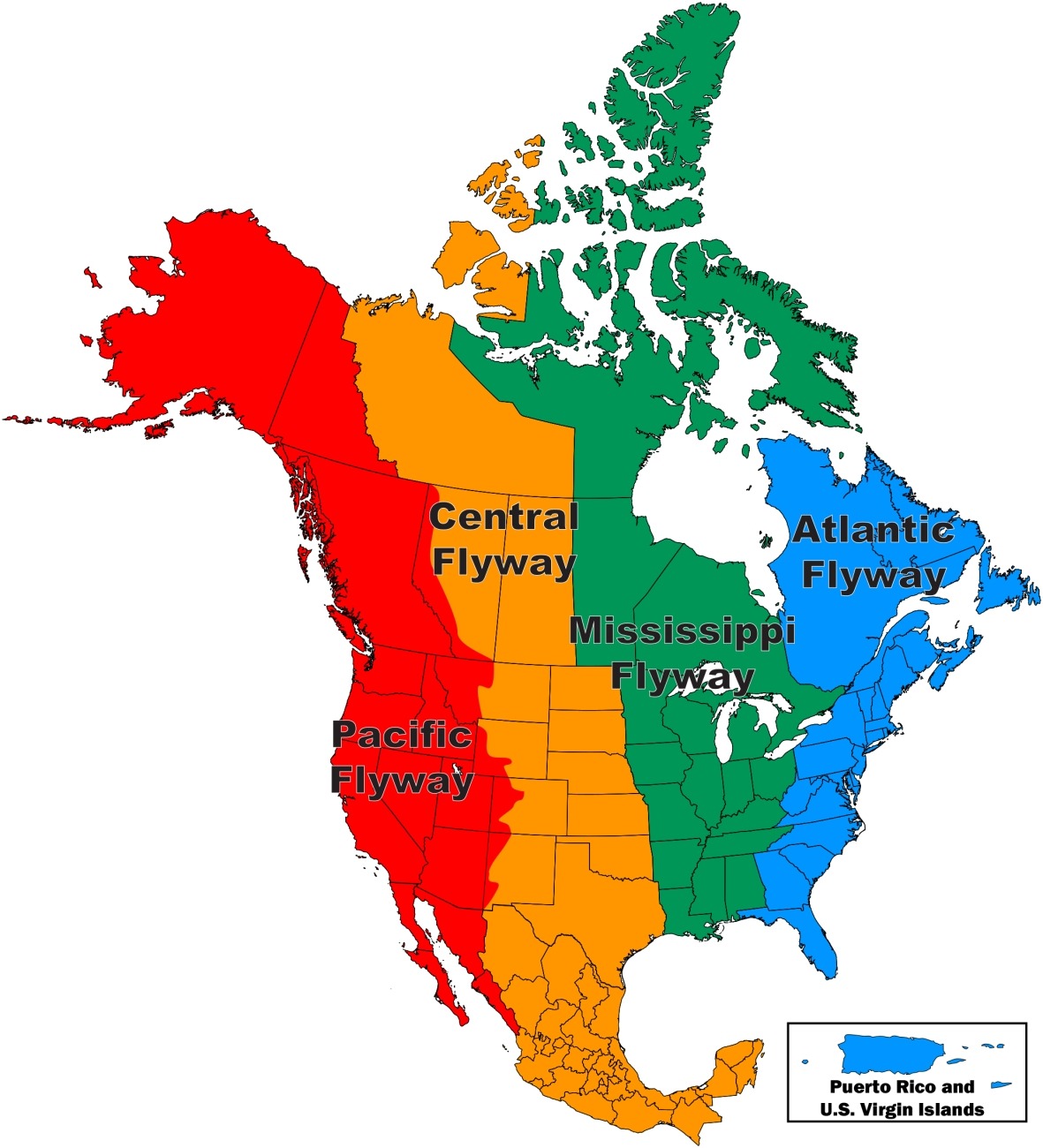
In North America, over 450 bird species make migratory journeys each year. Birds follow four main migration highways, or “flyways”: the Pacific, Central, Mississippi, and Atlantic Flyways. These routes are shaped by geography, with coasts, valleys, and rivers offering food and safe places to rest. The Champlain Valley lies right along the Atlantic Flyway, making it a vital stopover for many species. The open waters of Lake Champlain and its surrounding wetlands, forests, and fields provide ideal conditions for refueling and resting during long migrations. Framed by the Green Mountains and Adirondacks, the valley creates wind corridors that help steer birds south. Each fall, this landscape becomes a busy aerial highway.
When birds pass overhead, it’s easy to forget how far they have come, and how far they still will go. Blackpoll warblers, who spent their summers in the boreal forests of the Northeastern US and Canada are passing through on their way to the Amazon Basin– a 3,000-mile journey. Some of these warblers will cross the Atlantic without stopping! Even some individuals of species we see all year, like robins, are on the move. Many robins that nest in the Champlain Valley and in Northern Canada flock together and go as far as the Gulf Coast or Central Mexico for the winter. Some stay in the Champlain Valley, especially along Lake Champlain when food is abundant. The robins in the Champlain Valley during the winter are a mix: some summer in Northen Canada, others live here year-round. Their presence is a reminder that migration takes many forms, and highlights a shift in the relationship between food, place, and seasons.
Migration That Speaks Volumes
Among all the migrating birds, one species really stands out for what its journey can tell us about our watershed: the Canada goose.
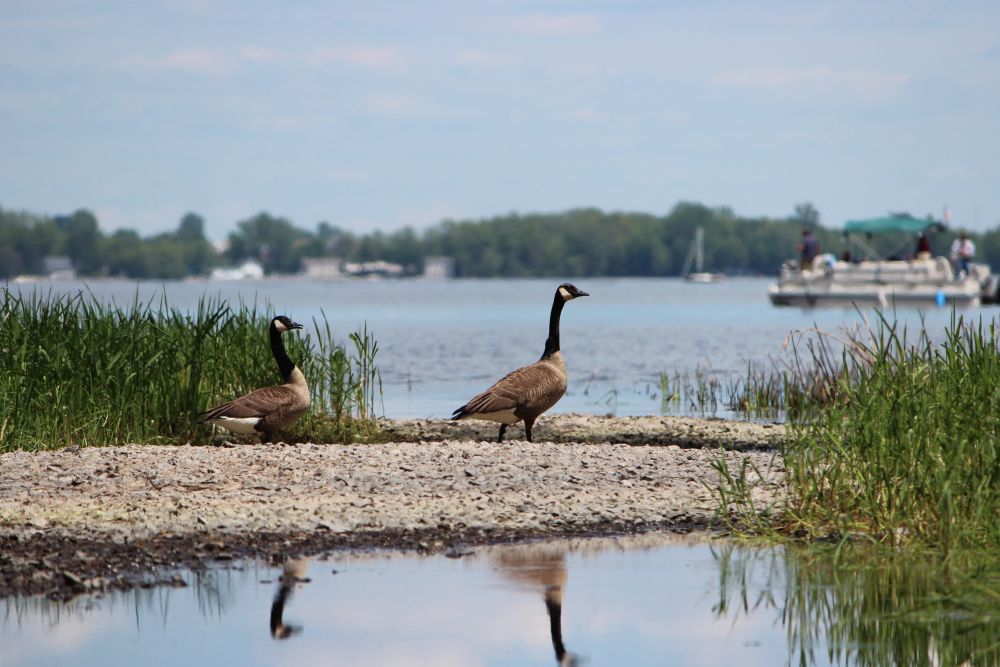
The Canada goose includes two distinct populations: those that live here year-round (resident) and those that migrate through (transient). Resident Canada geese have adapted to the landscape, taking advantage of open water and farmland to stay year-round. The transient population breeds in Canada, north of the St. Lawrence River, and travels south each fall via the Champlain Basin, then heads back north in spring. In places like the Dead Creek Wildlife Management Area, biologists with the Vermont Fish and Wildlife Department estimate 2,000 to 5,000 migratory Canada geese stop over each fall.
When geese gather in healthy numbers, it’s a sign that the landscape is thriving. Productive fields, intact wetlands, and quiet stretches of open water provide the food and shelter they need to rest and refuel. Those same wetlands also filter nutrients, absorb floodwaters, and connect land and the lake, supporting birds as well as farms, recreation, and communities across the Basin.
The journey of the Canada goose is links Lake Champlain’s waterways to far northern breeding grounds and southern wintering sites. It’s a reminder that what happens here—runoff, shoreline erosion, or habitat loss — ripples far beyond our region, shaping a much larger story of migration and ecological connection.
What the Lake Champlain Basin Program and Partners Are Doing
The Lake Champlain Basin Program (LCBP) and our partners work on water quality, habitat restoration, shoreline buffer projects, invasive species control, and community engagement. Each of these efforts supports the habitats that migratory birds, and all of us, rely on. By improving stream buffers, reducing phosphorus runoff into Lake Champlain, and restoring and protecting floodplains and wetlands, we are helping maintain the ecosystem that enables those thousands of geese to safely stop-over and continue their journey.
So when you see a flock of Canada geese flying overhead, their honking isn’t just a seasonal soundtrack—it’s a sign of an ecosystem in motion, a watershed that links diverse regions, and a reminder that our actions here matter for species and ecological systems far beyond the Champlain Valley.
What You Can Do to Be Part of This Story
- Log your goose (and other bird) sightings using eBird. Your backyard or favorite trail counts. The data help scientists track migration timing, population changes, and habitat use.
- Join birding or wetland restoration events hosted by Audubon Vermont, North Branch Nature Center, or other local groups. Connect with nature in person, learn about the birds, and help hands-on.
- Protect the watershed in your home and neighborhood: plant native shrubs or trees along streams, reduce fertilizer usage, maintain natural shorelines, report shoreline erosion. These actions support clean water and habitat for birds and people alike.
- Visit a stop-over hotspot! Check out the Lake Champlain birding trail for birding spots near you: https://atlas.lcbp.org/heritage-recreation/recreation-sites/lake-champlain-birding-trail/
Next time you hear the honk of geese overhead, take a moment to connect: those birds are part of a story of migration, of ecosystems, and of our shared home in the Champlain Basin. By helping protect the water, land, and habitat that they and countless other birds depend on, we’re helping write that story for the better. To learn more about birds, get recommendations, or ask questions, check out the Colleen Hickey Resource Room located on the top floor of the ECHO Center for Lake Champlain in Burlington, VT.