Growing Native Tree Nursery Capacity to Meet Rising Demand, Protect Clean Water
Native tree nurseries across the Lake Champlain basin have a supply and demand challenge.
Planting native trees and shrubs along waterways helps restore fish and wildlife habitat, protect water quality, and improves resilience to flooding. Growing investment in this natural solution requires many more seedlings than have historically been available through local growers.
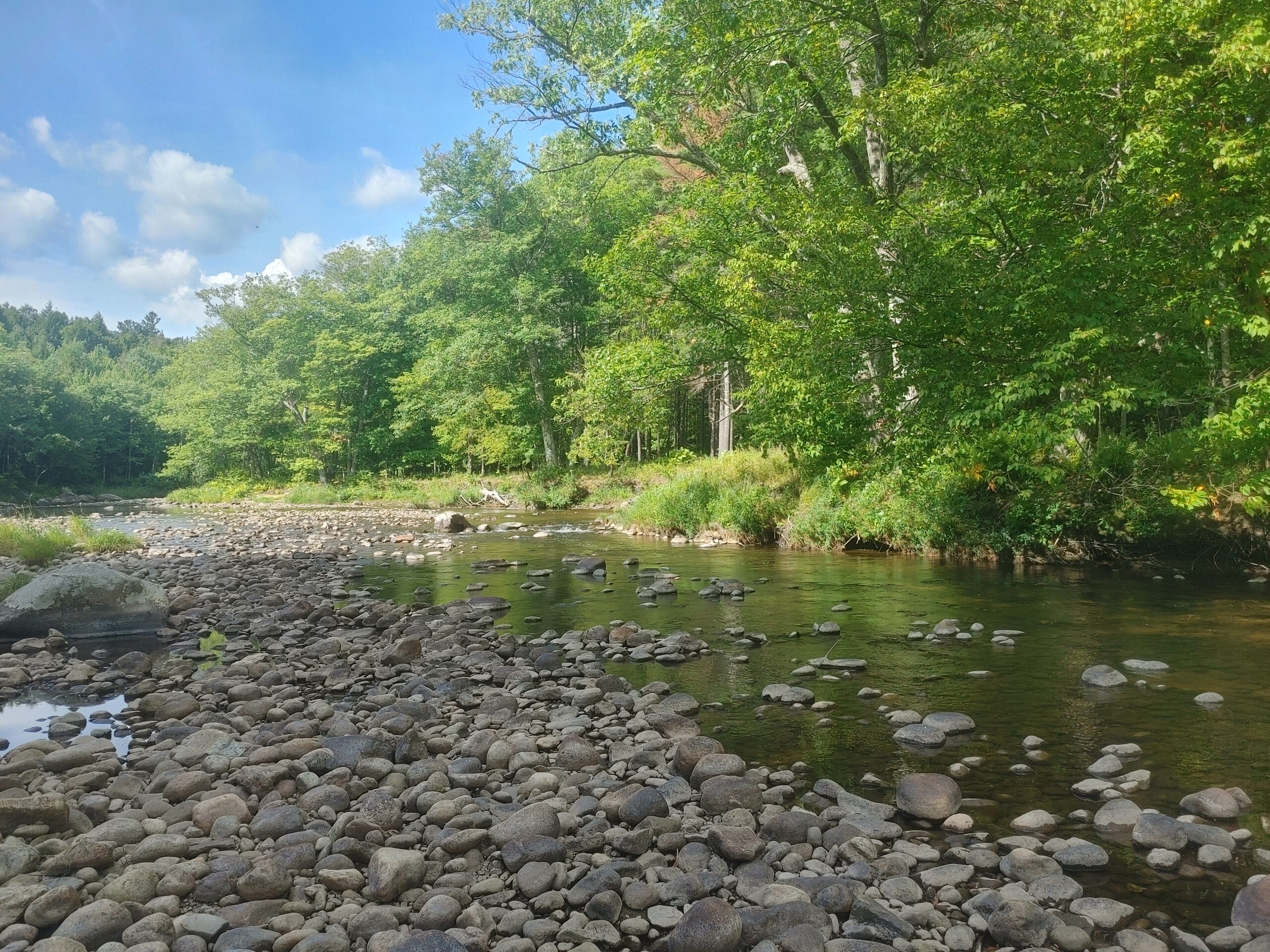
A 2021 survey found that demand for native tree stock in Vermont could rise 50 percent by the beginning of the next decade, with similar trends projected in the New York portion of the watershed. Survey respondents, which included government agencies, non-profit organizations, and conservation districts, emphasized the growing pressure on current availability.
The native tree shortage in the basin mirrors a broader trend. Nursery production across the United States will need to more than double to meet reforestation goals by 2040, according to a survey by American Forests. New York State aims to reforest 1.7 million acres with 680 million trees by 2040. At both the regional and national levels, an undersupply of native and genetically diverse trees and shrubs threatens to put these major goals out of reach.
To help local nurseries adapt to market pressures and fulfill conservation needs, the Patrick Leahy Lake Champlain Basin Program (LCBP) has awarded over $2 million in federal funds made available through the Infrastructure Investment and Jobs Act since 2022, with another $1 million earmarked for this year.
Recipients of this historic funding have already expanded existing operations or, in some cases, established new nurseries. The resulting jump in growing capacity will bolster conservation efforts for decades to come—offering a vision of healthier rivers, more resilient communities, and a cleaner Lake Champlain.
By the Numbers
As of January 2025:
$2,169,725 awarded by the LCBP
10 organizations receiving funding
3+ full time staff positions created
Native Trees: A Limiting Factor for Restoration
During Shawn White’s tenure as Project Manager for Friends of the Winooski River from 2013 to 2023, the Intervale Conservation Nursery (ICN) provided the majority of native trees and shrubs for planting projects in Vermont.
Around the end of each year, ICN announced their tree supply for the following spring—and sold out almost overnight.
“It was kind of stressful,” said White. “Everybody was competing for those trees and then anything you couldn’t get from the Intervale, you had to order from out of state.”
Trees grown outside of the Lake Champlain watershed have long supplemented the regional supply. However, they lack the specific genetic adaptations that allow locally grown trees and shrubs to establish and survive at higher rates.
Infrastructure Funding at Work
For the Ausable Freshwater Center (AFC), funding through the LCBP’s tree nursery grant program supported major infrastructure upgrades and allowed for full focus on scaling the fledgling Ausable Conservation Nursery (ACN).
The nursery effort took root in 2022 with a small plot of willows and dogwoods planted at the Uihlein Farm in Lake Placid. Initially intended to supplement AFC’s supply of hardy local plants for annual planting projects, the project snowballed.
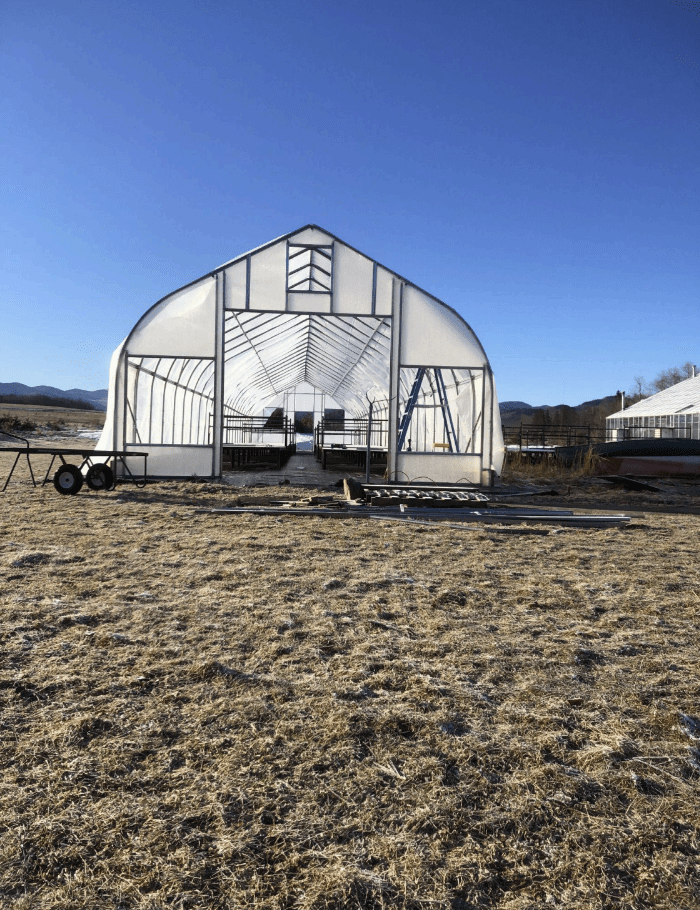
First, the Uihlein Foundation donated an indoor glass greenhouse, foundations for a high tunnel greenhouse, and land access options.
Then, with federal infrastructure funding awarded by the LCBP in 2023, AFC set out to undertake important capital improvements—including repairing the glass greenhouse and installing a high tunnel greenhouse—and expand nursery operations.
With a second round of funding awarded in 2025, ACN aims to scale up production to 150,000 saleable stems by 2028, as well as position itself as a technical resource for other growers involved in restoration.
Partnerships underpin the nursery, which will both serve and rely on Adirondack and northern New York communities into the future.
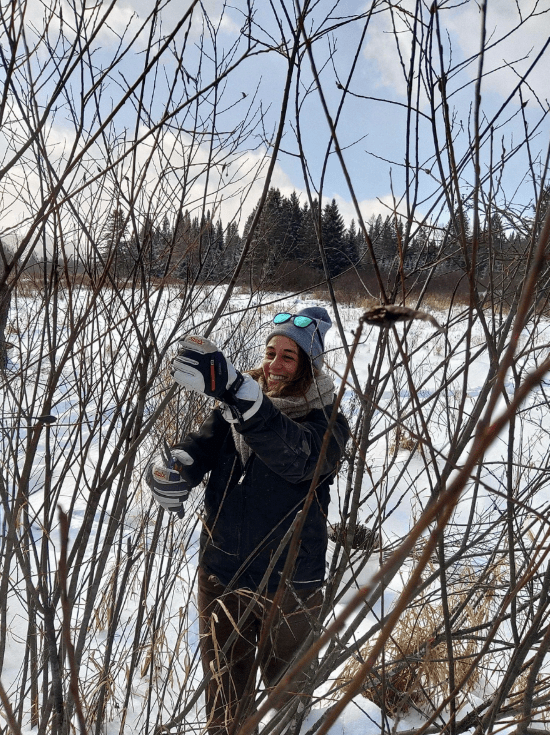
“In an area like the North Country of New York where we rely so heavily on our neighbors… there’s a lot of cross-pollination between organizations and community volunteers,” said Kiana French, nursery curator for AFC. “I think that the nursery is such a good tool to really strengthen those relationships.”
Already a well-established nursery, the Intervale Center’s conservation nursery used 2023 funding from the LCBP to refine their business model, increase production, and provide technical assistance to smaller nurseries.
Over the life of the grant, ICN sold approximately 75,000 stems to conservation partners and acquired over 27 million native seeds to support the nursery industry and direct seeding trials. Staff from the nursery hired and trained interns across multiple seasons and made visits to numerous smaller nurseries to provide hands-on assistance.
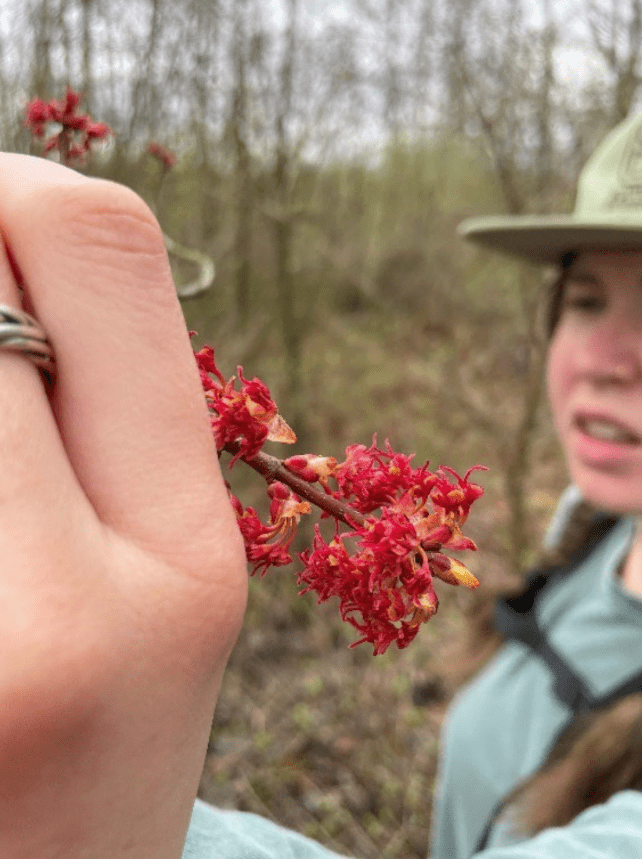
Using funding awarded in 2025, ICN plans to further develop the Riparian Lands Native Seed Partnership, also known as the Seed Project. From 2023 to 2025, the partnership collected around 800 pounds of seeds—the equivalent of about 100 million seeds—from 40 native species. Through their current grant with the LCBP, the Intervale Center will share seeds with regional conservation nurseries at no cost, providing a significant leg up to emerging businesses.
In the South Lake watershed, the Poultney Mettowee Natural Resources Conservation District (NRCD) has been a partner in the Champlain Valley Native Plant Restoration Nursery since 2002. Currently operated collaboratively by the Poultney Mettowee NRCD, The Nature Conservancy, and Poultney Village, the nursery has undergone various iterations over the years and is now growing with the help of infrastructure funding.
The initial round of funding helped boost seedling production through the addition of a nursery supervisor, installation of a hard sided greenhouse, and updates to an existing seed shed and hoop houses. Plans for the second round of funding include further developing staff capacity, investing in new equipment and tools, and fostering a robust volunteer base.
Small and emerging nurseries play an important role in meeting regional demand for trees, and funding has allowed several new groups to enter the nursery space.
In 2023, the Missisquoi River Basin Association (MRBA) began collecting and propagating seeds at a small farm in Newport Town. With LCBP funds, support from the Town of Jay, and land access made possible by a local landowner, the young nursery is on track to increase the supply of stems for conservation in the area—as well as create green job opportunities and a community gathering space in a largely rural part of the state.
In Keeseville, New York, Mace Chasm Farm—which primarily raises livestock—opted to diversify their business by producing wholesale, native, bareroot trees for conservation. Grant funding supported the installation of a climate-controlled tree storage cooler in their barn.
Verterra Nursery, based in Hinesburg, Vermont, kicked off in 2023 and is already providing trees to government agencies and local nonprofits working to restore habitat—many of them for free.
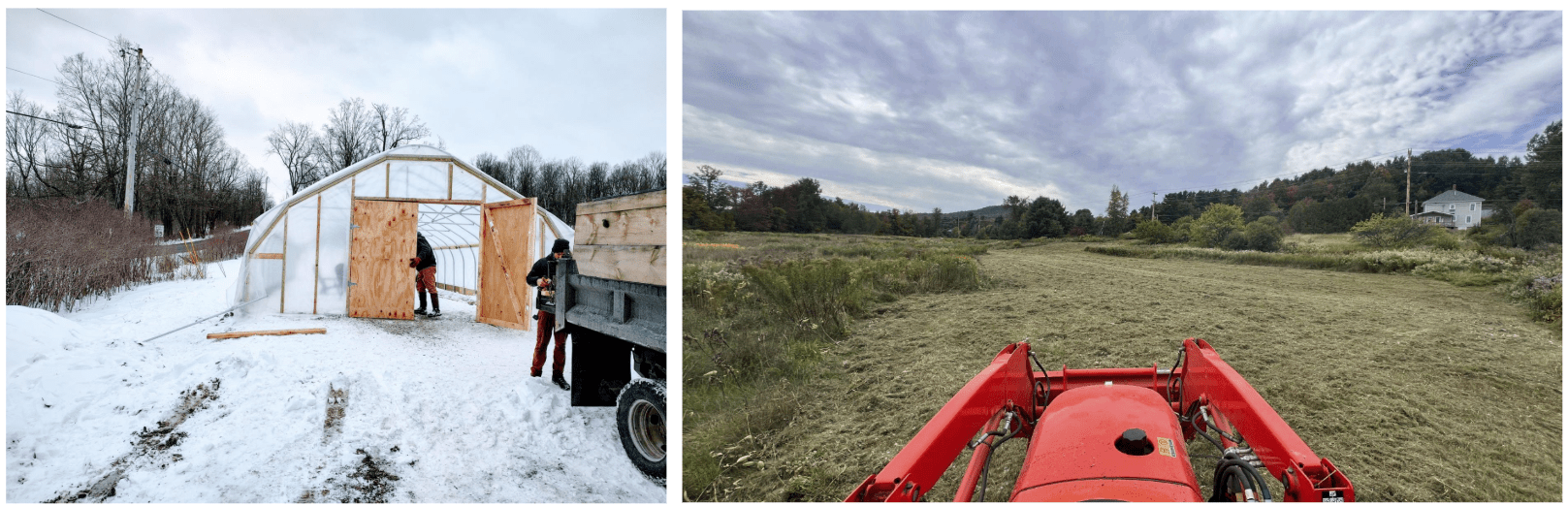
To date, ten organizations have received tree nursery funding from the LCBP. The grant program has opened the door for emerging nurseries to enter the market, and for existing operations to scale up their capacity.
“It’s the exact intent of what this funding was created for,” said Meg Modley, Healthy Ecosystems and Aquatic Invasive Species Management Coordinator for the LCBP and NEIWPCC. “Let’s increase our infrastructure, let’s increase our capability and train our staff, and then hopefully it’s a business model that can carry itself once it’s built.”
Growing Together: A Vision for the Future
The Watershed Forestry Partnership, hosted by Lake Champlain Sea Grant and currently led by former Friends of the Winooski staffer Shawn White emerged in 2020 out of a joint effort between the Intervale Center and the U.S. Fish and Wildlife Service to better coordinate tree growers and restoration practitioners.
The partnership includes the non-profits, agencies, conservation districts, and nurseries involved in forest restoration and water quality improvement in the Lake Champlain region. In a field with so many moving parts, having a central entity ensures that groups are working collaboratively, responding to evolving conditions, and streamlining efforts in order to maximize the benefits of various funding programs.
As part of her role with the partnership, White facilitates a nursery roundtable discussion group that meets three times a year. Participants gather to discuss barriers and challenges to their work, how to foster two-way communication with planting groups, and ways to increase understanding of the value of local ecotypes—distinct populations of tree species with particular environmental adaptations.
“If the planting groups know why it’s important to use local ecotypes and how that improves habitat value and tree survivorship, then they’re more likely to order trees from local nurseries rather than go out of state,” said White.
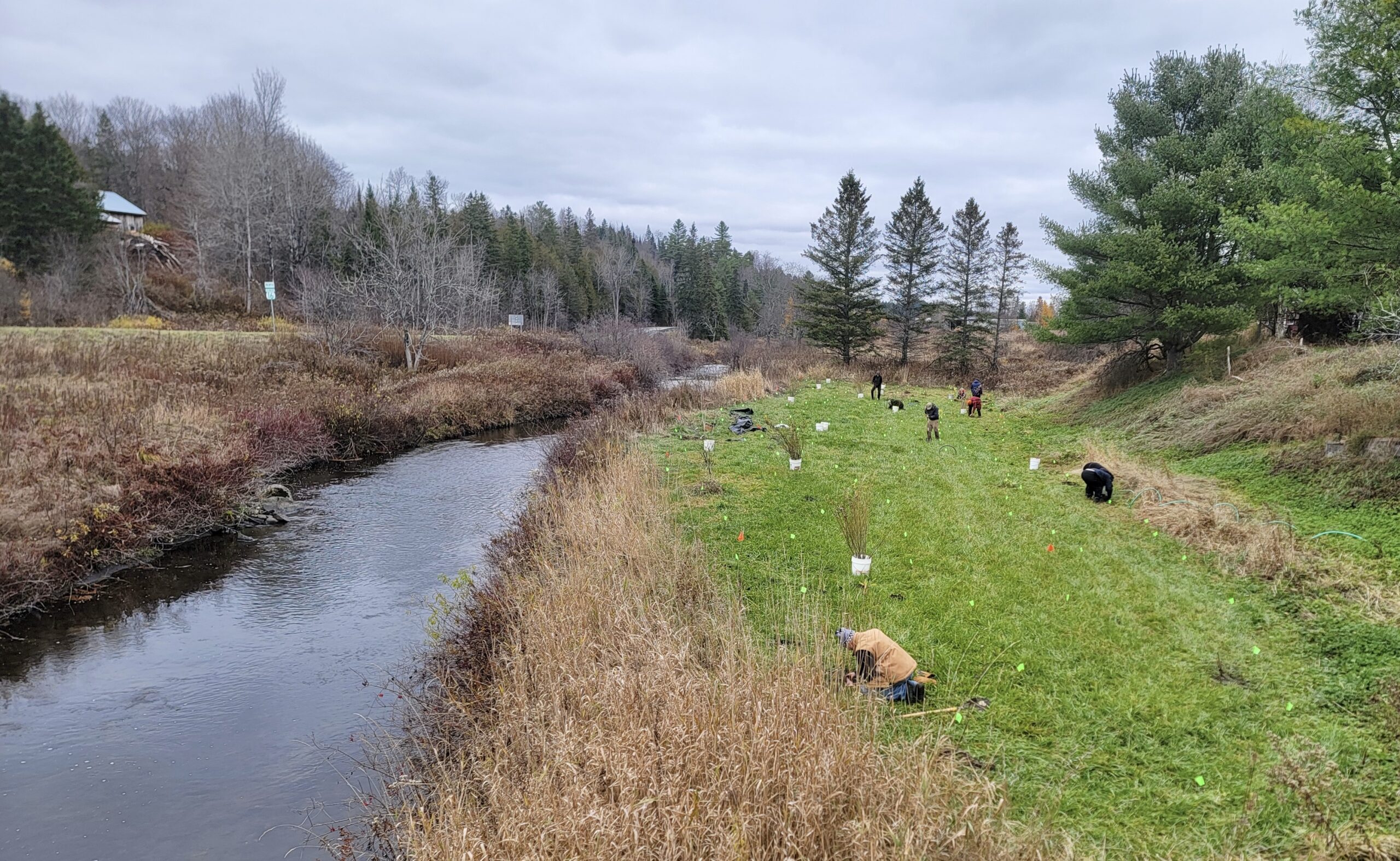
She also envisions the roundtable playing a matchmaking role of sorts. Nurseries could take turns hosting meetings, both to offer insights into their operations and to generate ideas about how to fill needs.
“One nursery might be in a floodplain where there’s clay soil, and another nursery might be a little bit more upland,” noted White. “How can they divvy up species to make sure that… the inventory matches what people need, and that people in floodplains aren’t trying to grow white pine and people in the upland areas aren’t trying to grow buttonbush?”
In the future, White hopes “tree hubs” could serve to provide shared inventory and distribution. The hub model would reduce the burden on small nurseries to market and distribute their product, allowing them to focus on growing, and tree planting groups would benefit from the simplicity of a one-stop-shop ordering experience.
Forward momentum towards a well-coordinated and supported nursery landscape offers hope for the future of restoration in the Lake Champlain basin. The seeds gathered and planted now will safeguard our land, water, and communities for generations to come.