Get notifications when we post new entries to the Science Blog.
Science Blog Sign Up
Search the Science Blog
Science Blog
Welcome to the Lake Champlain Basin Program Science Blog! The blog is the place for partners and stakeholders in the Lake Champlain Basin to find key take-aways from LCBP-supported research.
The LCBP funds several research projects each year to close knowledge gaps and inform management decisions to improve water and habitat quality in the Basin. The results of the large body of research supported by LCBP dating back to 1991 is available on our website. Many of the technical reports generated from this research include hundreds of pages of graphs, tables, and interpretation.
The blog is intended to make it easier for partners and stakeholders to apply research findings to their own work. Posts include a short summary of the project, key findings, and links to the full project report for further details.
Project summary A research team from Stone Environmental piloted four identically designed filters, each containing a different mixture of material, to remove phosphorus (P) from the outflow of a stormwater ... Read More →
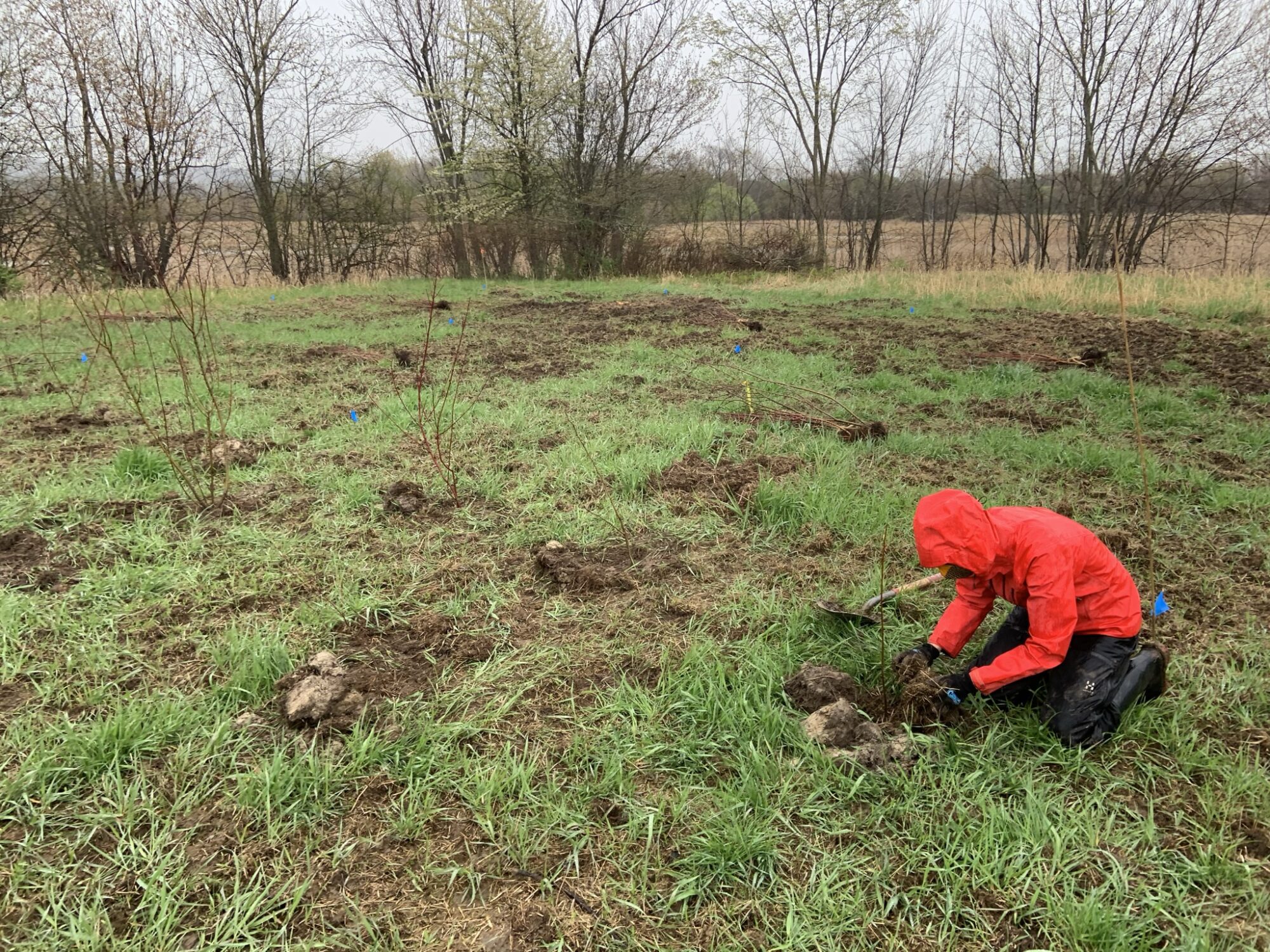
Project summary Well-established populations of invasive reed canary grass (RCG) have compromised the success of riparian forest restoration work in the northeastern United States because the plant outcompetes native plants, ... Read More →
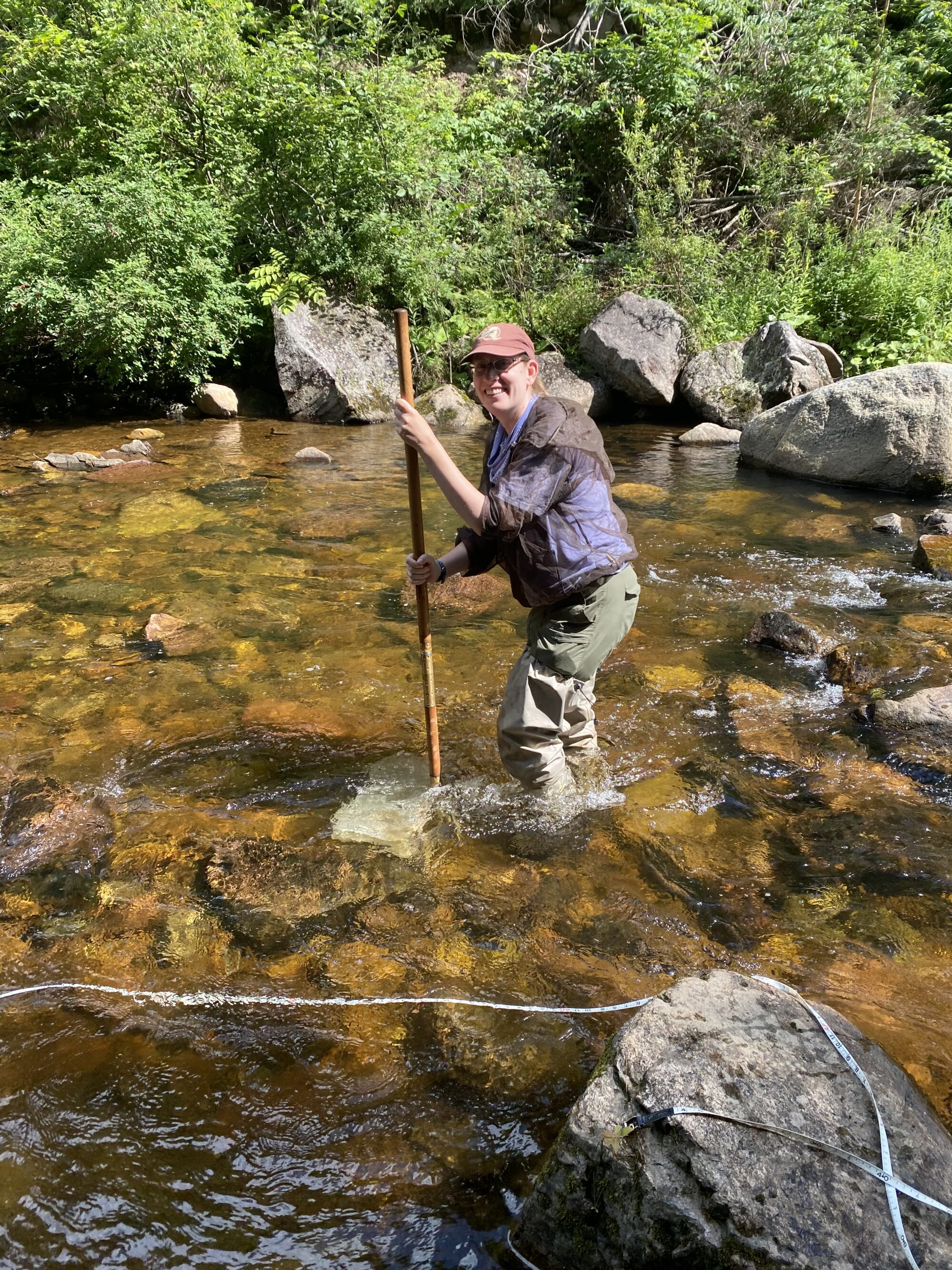
Project summary Reconnecting and restoring streams by removing barriers to aquatic organism passage (AOP) reduces the risk of flooding and erosion and allows species, like landlocked Atlantic salmon and Eastern ... Read More →
Project Summary The Lake Champlain watershed crosses international borders, with waters in the U.S. states of New York and Vermont, and the Province of Quebec. This project on the Rock ... Read More →
Project summary The pollutant load from de-icing salts into waterways of the Lake Champlain Basin (LCB) has increased significantly over the past few decades, causing increasing concerns over salinization. Salinization ... Read More →
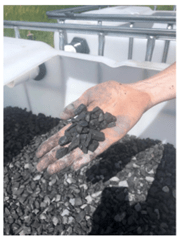
Project Summary A research team from Watershed Consulting Associates evaluated the efficacy of locally sourced shale material called St. George Black (SGB) as an adsorptive media to remove phosphorus during ... Read More →
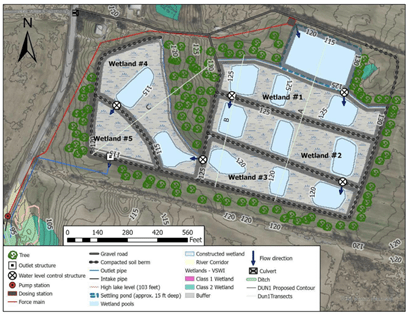
Project summary A Stone Environmental research team conducted a study to determine the feasibility of building a “treatment train” facility that would remove phosphorus from stream water before it enters ... Read More →
Project summary Over a 2-year study, a team of researchers at the New York Natural Heritage Program developed a series of field-validated models to estimate stream water quality, assess the ... Read More →
Project summary: Whole farm nutrient management is a comprehensive approach where all nutrient inputs, outputs, and transfer pathways are considered and optimized for an entire farm’s operation to reduce nutrient ... Read More →
Project Summary: Over three years from 2019-2021, a UVM-based research team used field studies in Otter Creek and Lewis Creek watersheds, lab experiments, and process-based modeling to determine the extent ... Read More →